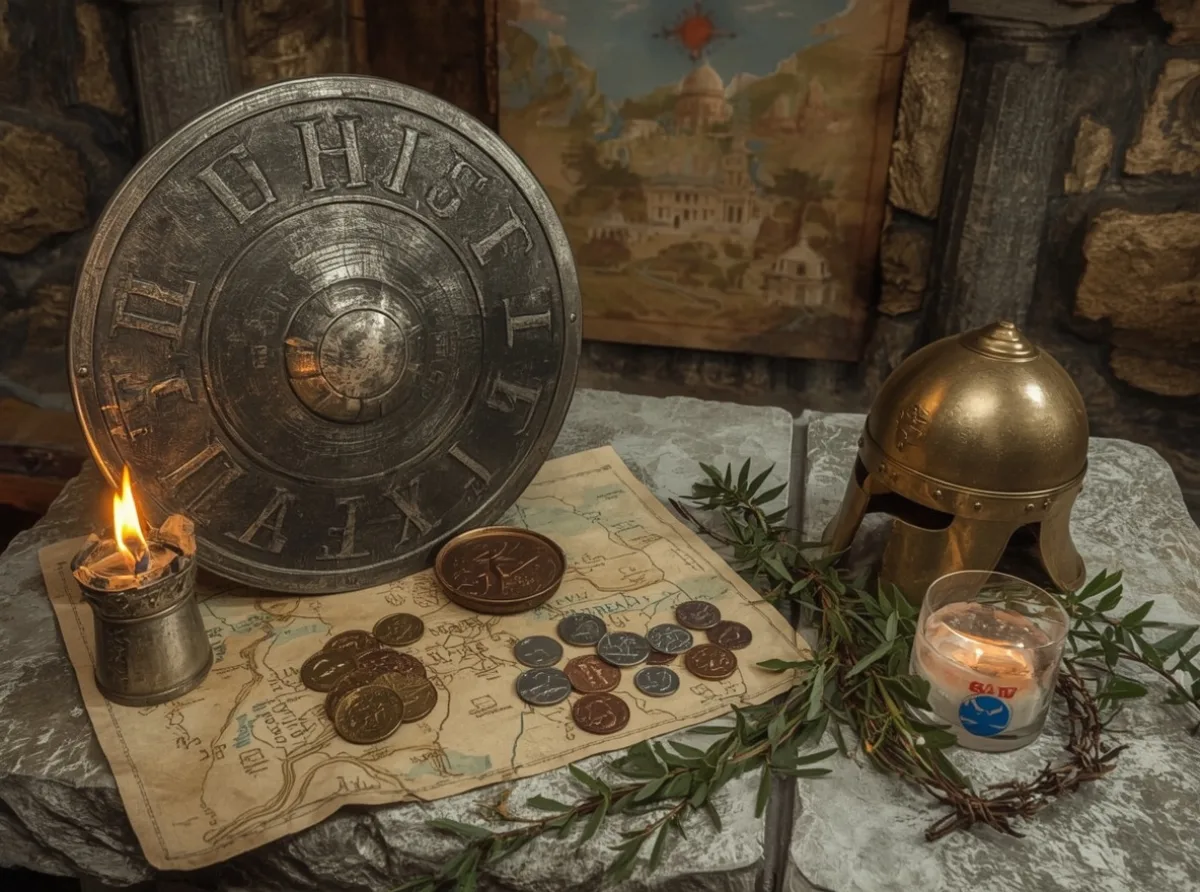
Some Smite names feel ordinary the moment you see them. Others carry weight. They sound like they belong in a battlefield shaped by gods, monsters, ancient oaths, and old legends. That mythological edge matters more than people often admit. A good name can set the tone before the match even starts.
When a Smite name has a mythological vibe, it usually does one of two things: it borrows directly from a known pantheon, or it echoes the language of myth without copying it too closely. Both approaches can work well. The first gives instant recognition. The second feels more personal and often lasts longer.
That difference matters in a game built around gods, relics, powers, and legendary themes. A name that fits the world can feel sharper, cleaner, and more memorable than something random or overly complex. It does not need to be loud. It just needs to sound like it belongs near thunder, fate, and old symbols carved into stone.
What makes a mythological Smite name work
A strong mythological name is not only about using a famous god’s name. It is about tone. The best ones feel balanced between power and clarity. They should be easy to say, easy to read in a lobby, and strong enough to stand on their own.
Short names often work well because they carry confidence. Names with two clear parts can also feel clean and deliberate. Long strings of symbols, extra numbers, and awkward spelling usually weaken the effect. If the goal is a mythological vibe, the name should sound like it was chosen on purpose.
Good mythological names usually have three things in common: recognizable roots, a strong sound, and simple readability.
It also helps to think about the kind of myth you want to suggest. Greek names can feel formal and heroic. Norse names often sound harsher and colder. Egyptian-inspired names can feel ancient and regal. Roman-inspired names often feel disciplined, imperial, and structured. Even fictional myth-style names can borrow from these tones without directly copying them.
Sound matters as much as meaning
A name can have the right reference and still feel off if it is hard to pronounce. In a game like Smite, names move quickly across the screen. They are seen during kills, calls, and team fights. A name that can be read at a glance tends to land better than one with complicated punctuation or unusual letter combinations.
Some of the best mythological names use strong consonants and clear vowels. They feel stable. They have shape. Names that end in open sounds can feel lighter and more elegant, while names with harder endings can feel heavier and more aggressive.
Greek-inspired names with a heroic tone
Greek mythology gives a lot of useful material for Smite names. It offers gods, heroes, Titans, and symbolic ideas tied to strength, wisdom, fate, and war. These names often sound polished and recognizable. They can feel noble without becoming too ornate.
- AresForge
- HeliosCrown
- AthenaVale
- ZephyrBlade
- OraclePyre
- TitanVow
- NyxHalo
- SpartaEcho
- ArgosWarden
- DelphiAsh
These names work because they combine mythological roots with a modern gamer tag structure. The result is familiar but not generic. A name like AthenaVale suggests strategy and elegance. AresForge feels stronger, more direct, and more aggressive. HeliosCrown carries a brighter and more royal tone.
If you want a Greek-inspired name that feels less obvious, you can lean on places, symbols, or titles rather than direct deity names. Delphi, Titan, Oracle, and Nyx all carry mythic weight without feeling overused in the same way some god names do. They also work well across different roles and playstyles.
Greek name ideas by mood
- Calm and refined: AthenaVale, DelphiMist, NyxLumen
- Bold and combative: AresForge, TitanRuin, SpartaFlame
- Bright and elevated: HeliosCrown, ApolloSigil, IrisFable
- Mysterious and dark: OraclePyre, NyxVeil, UnderCrest
The trick is not to overload the name with too many myth references. One strong anchor is enough. If everything in the name is ancient, dramatic, and symbolic, it can start to feel crowded. One clear word paired with one supporting word usually creates a better rhythm.
Norse-inspired names with a colder edge
Norse mythology gives a different energy. It feels rugged, severe, and weathered by distance. These names often suit players who want something that sounds strong without feeling polished. They can suggest frost, iron, ravens, wolves, storms, or fate.
- RavenOath
- FrostRune
- OdinFell
- SkadiMark
- StormHof
- HrafnVale
- IronSaga
- FenrirEdge
- JotunReign
- Runebreak
Norse-inspired names tend to work best when they stay lean. Heavy names with too many decorative parts can lose the sharpness that makes the style appealing. FrostRune feels clean. RavenOath feels ceremonial. FenrirEdge has a clear threat in it, but it still reads easily.
There is also room for subtlety here. Not every Norse-inspired name has to mention Odin or Fenrir directly. Words like rune, oath, raven, saga, frost, and storm do a lot of the work on their own. They create a mythic atmosphere without making the name look too familiar or too crowded with references.
For a Norse vibe, favor hard sounds, weather imagery, and words tied to fate, blood, stone, or winter.
Norse name ideas by intensity
- Subtle: RavenOath, IronSaga, StormHof
- Cold and restrained: FrostRune, SkadiMark, HrafnVale
- Heavy and forceful: FenrirEdge, JotunReign, OdinFell
- Ancient and ceremonial: RuneWarden, WolfVow, NorthSigil
These names often feel especially strong in competitive settings because they project steadiness. They are not flashy. They sound grounded. That gives them a different kind of presence, one that can fit tanky, aggressive, or control-oriented playstyles well.
Roman and imperial-inspired names
Roman mythology and imperial imagery bring structure into the mix. These names often feel disciplined, commanding, and formal. They can suggest authority rather than raw chaos. That makes them useful for players who want a mythological name with a more controlled tone.
- JunoCrest
- VestaRune
- CaesarAsh
- MarsAegis
- NovaLegion
- AureliusVow
- ImperiumVeil
- SenecaBlade
- RomaHelm
- VigilMars
Roman-inspired names often feel cleaner when paired with strong nouns. Crest, blade, helm, vow, legion, and veil all help give the name a clear shape. MarsAegis sounds direct and armored. ImperiumVeil feels more ceremonial and distant. NovaLegion leans modern while still keeping the old-world tone.
These names work well if you want a mythological vibe without sounding too fantasy-heavy. They can feel mature and organized. They also tend to age well, because the structure is simple and the references are broad enough to stay usable.
Egyptian-inspired names with ancient presence
Egyptian mythology creates a different kind of atmosphere. It is ancient, symbolic, and visually rich. Names inspired by it often feel sun-baked, sacred, and tied to hidden power. They can sound elegant or severe depending on the words you choose.
- AnubisDune
- IsisMark
- RaCipher
- OsirisVale
- ScarabOath
- HorusDust
- DesertAxiom
- SunSarcoph
- GlyphNile
- KhonuAsh
This style benefits from words that suggest stone, sand, sun, and temple imagery. It does not need to be overly ornate. In fact, simple combinations often feel stronger. RaCipher feels sharp and modern. OsirisVale sounds older and more ceremonial. ScarabOath gives a compact, memorable mythic image.
Egyptian-inspired names can feel powerful without being loud. They often suggest knowledge, hidden chambers, and ancient rituals. That makes them a good fit for players who want a more mystical tone than a direct warrior sound.
Egyptian name patterns that feel natural
- Deity plus place: RaCipher, OsirisVale, IsisMark
- Symbol plus oath: ScarabOath, GlyphBond, AnkhVow
- Landscape plus myth: DesertAxiom, NileShade, DuneTemple
One reason these names work is that Egyptian mythology already carries strong imagery. You do not have to force the atmosphere. A single reference can do a lot. If the second word is chosen carefully, the whole name can feel ancient without becoming difficult to remember.
Dark mythic names for a stronger edge
Some players want names that feel more severe. Dark mythological names borrow from underworld imagery, fate, shadows, storms, and ruin. They are often not tied to one specific culture. Instead, they aim for a broader mythic darkness.
- VoidOracle
- GraveTitan
- ShadowAegis
- UnderSigil
- DreadHelm
- NightFable
- RuinCrown
- EclipseOath
- BlackRune
- WraithVow
These names work because they stay mythic without becoming too specific. They suggest old powers, forgotten names, and places that do not welcome light. They are useful when you want a name that feels dramatic but still readable.
The danger with dark names is that they can become generic if they rely on common words alone. Adding one mythic element helps. EclipseOath feels stronger than just “Eclipse” or “DarkOath.” ShadowAegis has a proper mythic texture because aegis carries ancient protective symbolism.
Dark mythic names work best when they feel ancient, not random. Think shadow, void, ruin, grave, underworld, eclipse, oath, and sigil.
Names that feel subtle instead of obvious
Not every mythological name needs to announce itself immediately. Subtle names are often more versatile. They hint at myth rather than naming it directly. That can make them feel cleaner in a lobby and less likely to sound dated later.
- VeilRune
- CinderOracle
- AshCrown
- StoneFable
- HollowHelm
- MoonAegis
- VowSigil
- NorthMyth
- EchoTemple
- GildedRune
These names are useful because they leave room for interpretation. They do not pin you to one god or one culture. Instead, they create a mood. That mood can feel more personal, especially if you want a tag that still sounds mythic but does not feel like a direct reference list.
Subtle names also tend to work better in long-term use. A direct reference can be excellent, but a more flexible name gives you more room if your interests change. VeilRune still sounds mythological even if you stop thinking about one specific pantheon. StoneFable feels timeless. MoonAegis sounds elegant and clean.
Short mythological names that hit hard
Short names can be some of the strongest choices in Smite. They are quick to read and easier to remember. When the mythological vibe is already built into the word itself, a short tag can feel especially sharp.
- Nyx
- Ra
- Hera
- Odin
- Rune
- Valk
- Titan
- Oracle
- Aegis
- Skald
These names are simple, but that simplicity is part of their strength. They feel like a title rather than a random handle. If you want something even more personal, you can pair a short myth word with a second word that adds tone, such as NyxWard, RaAsh, or OdinVale.
Short names are especially good if you want to avoid clutter. They rarely need extra decoration. The downside is that some common myth words may already be taken, so it helps to keep a few variations in mind.
Longer names that still keep the mythic feel
Longer names can work when they are controlled. The key is to avoid stuffing too many symbols into one tag. A longer mythological name should still read as one idea, not a sentence.
- KeeperOfRunes
- CrownOfNyx
- EchoesOfHelios
- OathOfTheNorth
- TempleOfAsh
- WardenOfFate
- BladeOfDelphi
- BornFromStorms
- MarkedByRa
- UnderTheAegis
These names carry a more narrative feel. They can sound older, broader, and more ceremonial. They are useful when you want your name to feel like a phrase from a legend rather than a simple tag.
Still, longer names need restraint. If the wording becomes too forced, the mythological tone starts to collapse. A name like KeeperOfRunes stays strong because the structure is clear. EchoesOfHelios works because it sounds natural, not overloaded.
How to choose between direct references and symbolic names
Direct references are easier to recognize. Symbolic names are easier to live with over time. That is the main tradeoff. If you name yourself after a god, everyone gets the reference right away. If you use symbolic language, the name feels more flexible and often more original.
Direct reference names can be good if you want instant clarity. They suit players who are committed to a specific mythological theme. Symbolic names often work better if you care more about tone than accuracy. Both can feel strong in Smite, but they create different impressions.
| Type | Feel | Best use |
|---|---|---|
| Direct deity name | Clear, bold, recognizable | Strong theme focus |
| Symbolic myth name | Flexible, subtle, lasting | Long-term identity |
| Hybrid name | Balanced, readable, distinct | Most players |
A hybrid name is often the easiest place to start. Something like NyxCrown, OdinVale, or RaCipher gives you a mythological anchor without feeling overly direct. It keeps the vibe clear while leaving enough room for your own style to show through.
Common patterns that make these names feel better
There are a few patterns that keep showing up in good mythological Smite names. They are simple, but they matter. The structure of the name often determines whether it feels like a real tag or a rough draft.
- Myth word + natural object: HeliosCrown, NyxVeil, RaCipher
- Myth word + weapon or armor: AresForge, MarsAegis, DreadHelm
- Myth word + place: AthenaVale, OsirisVale, BladeOfDelphi
- Myth word + ritual term: RuneWarden, ScarabOath, VowSigil
- Myth word + weather or night image: StormHof, FrostRune, EclipseOath
These patterns work because they give the name shape. They create contrast. Ancient and modern. Soft and hard. Bright and dark. That contrast is what keeps a mythological name from feeling flat.
It is usually better to choose one main idea and support it with one strong companion word. Too many references can compete with each other. A clean combination is easier to remember and more likely to survive long-term use.
Practical ways to build your own mythological Smite name
If you want to create your own name instead of choosing one from a list, start with a mythic anchor. That could be a god, a symbol, a place, a title, or an element like storm, rune, oath, crown, or veil. Then add a second word that changes the tone.
- For a noble feel: use crown, vale, sigil, helm, or oracle
- For a harsh feel: use rune, edge, ruin, storm, or frost
- For a mystical feel: use veil, echo, temple, shade, or cipher
- For a powerful feel: use forge, titan, aegis, warden, or legion
Try saying the name out loud. If it sounds awkward spoken once, it will probably feel awkward in game too. You want something that rolls off the tongue without losing the mythic tone. That balance is the real goal.
A strong mythological name should sound believable in a battle log, a voice chat callout, and a profile tag.
Mythological vibe names that feel usable in Smite
Some names are attractive on paper but awkward in practice. A good Smite name should hold up during fast matches, team swaps, and repeated use. That means clarity matters more than decoration.
- HeliosCrown
- FrostRune
- NyxVeil
- AresForge
- RaCipher
- RavenOath
- OraclePyre
- SkadiMark
- MoonAegis
- WardenOfFate
These names are fairly balanced because they combine mythic tone with practical readability. They do not rely on excessive symbols or awkward spelling. They feel intentional, and that matters when a name has to work across menus, chat, and gameplay.
If you want more individuality, changing one word is usually enough. HeliosCrown could become HeliosHollow for a darker feel. RavenOath could become RavenSigil for a more ceremonial tone. Small changes often make a bigger difference than people expect.
Choosing the right level of obviousness
Some players want their name to be immediately understood. Others want it to feel layered. Neither choice is wrong. The useful question is how much attention you want the name to draw.
Obvious names are great if you want direct impact. They tell the story fast. Subtle names are better if you want something that feels composed and less tied to one specific reference. In a myth-heavy game like Smite, both approaches can work, but the final effect is different.
If you are unsure, aim for readable first and clever second. A mythological name does not need to be rare to be strong. It only needs to feel coherent. That is what gives it staying power.
Names such as NyxCrown, TitanVow, OdinVale, and TempleOfAsh all carry that kind of balance. They sound rooted in old legend, but they still feel clean enough to use every day. That is usually the sweet spot for a Smite tag with a mythological vibe.