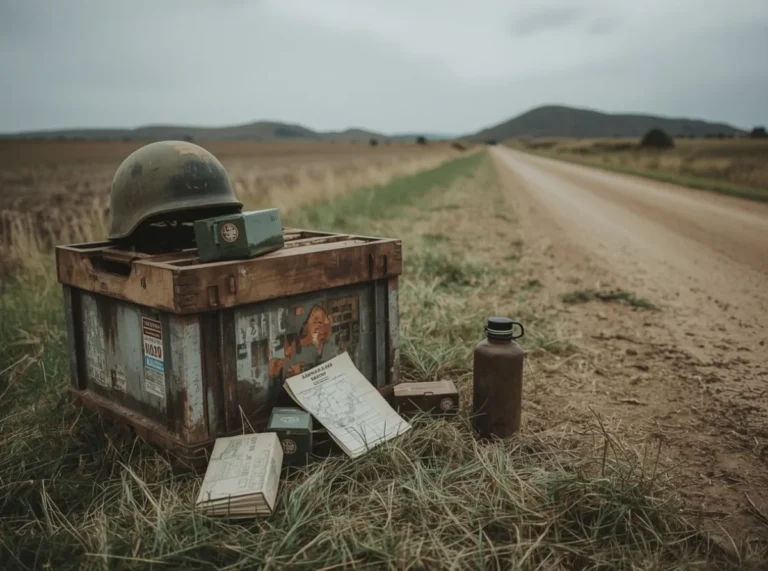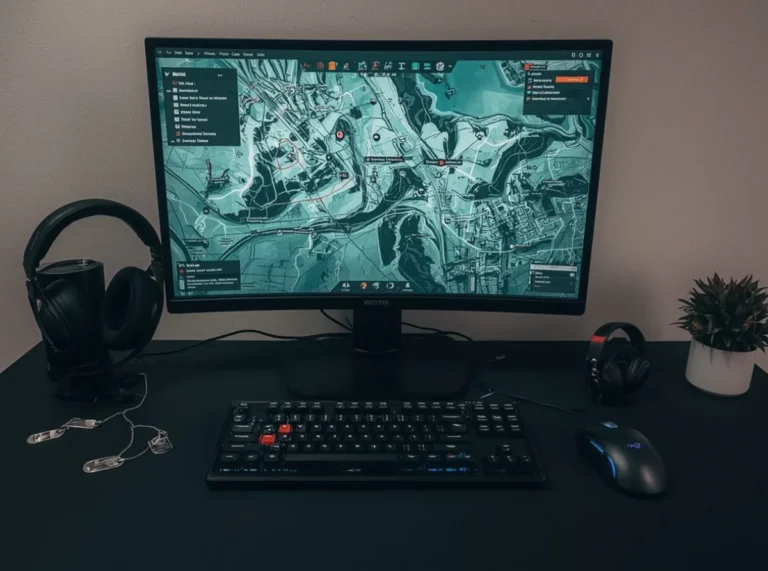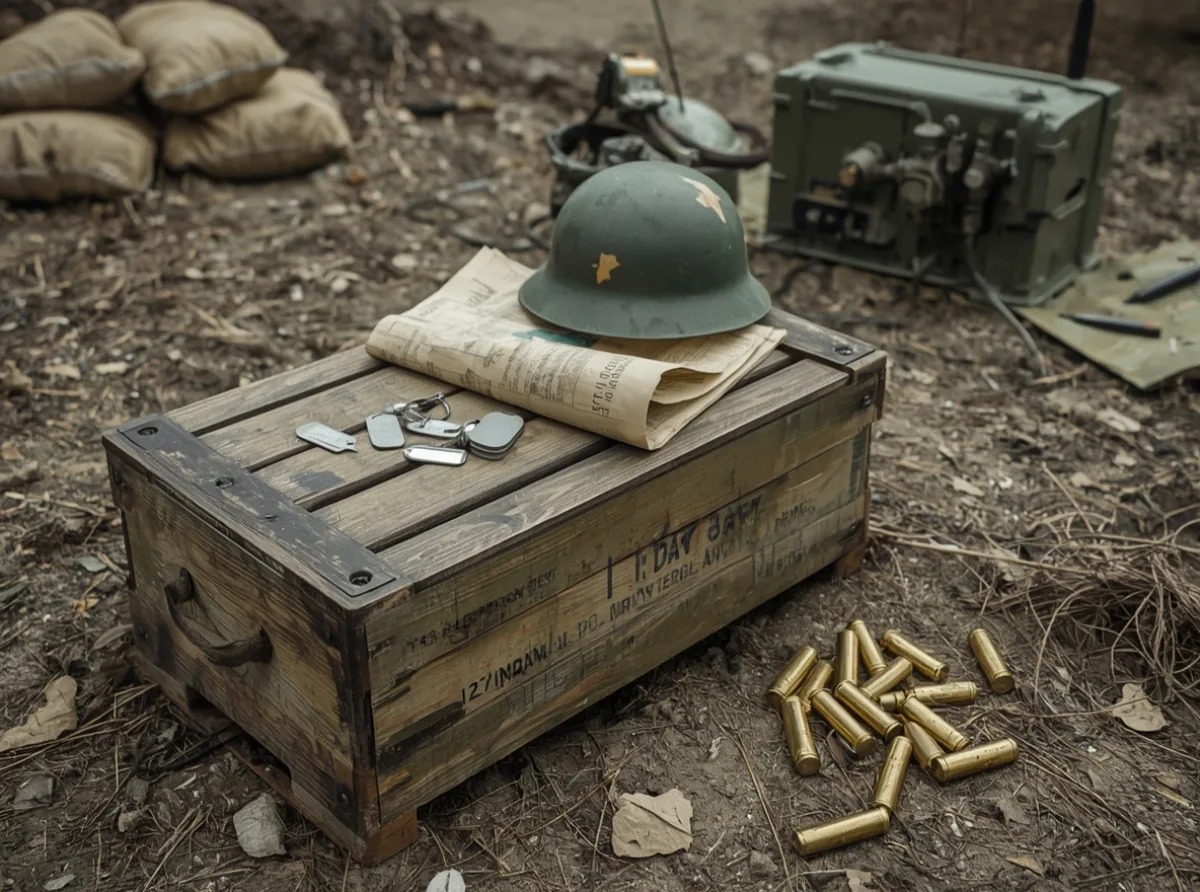
Names in Hell Let Loose often carry more weight than they do in lighter shooters. The game is built around maps, squads, radio calls, and a steady wartime mood, so a name that matches the setting can feel more natural than something modern or playful. A good WWII-toned name does not need to sound theatrical. It just needs to fit the atmosphere and hold up in chat, squad lists, and post-match memories.
Players usually want something that feels grounded. That can mean a last-name style handle, a rank-inspired tag, a callsign, or a phrase that sounds like it belongs on a roster, a trench notebook, or a supply crate. The best names in this style are readable, memorable, and believable without sounding forced.
There is also a practical side. In a game where communication matters, a name that is easy to say and easy to recognize can feel better than something overloaded with symbols. WWII tone works best when it looks intentional. It should suggest the era, not imitate it too hard.
What gives a Hell Let Loose name a WWII tone
A WWII-toned name usually borrows from the structure and vocabulary of the period. That might mean military ranks, surnames, infantry roles, campaign references, or old-fashioned language. It does not have to be historically exact to work. The key is that it sounds like it belongs in a war setting rather than in a modern lobby.
Some names feel strong because they are simple. Others work because they hint at a unit, a battlefield, or a wartime personality. In Hell Let Loose, both approaches can fit. A clean, disciplined name can feel as authentic as a longer, more detailed one.
A good WWII-tone name usually has three qualities: clarity, period feel, and restraint. If it is easy to read and still sounds like it came from the 1940s, it is usually on the right track.
Readability matters more than many players expect. Squad leaders and teammates need to process names quickly. That is one reason why names with too many numbers, extra punctuation, or heavy stylization often feel out of place. A name can be immersive without being difficult to use.
Style elements that fit the setting
Before choosing a name, it helps to know which parts of the WWII mood you want to emphasize. Some names lean into rank and duty. Others sound more like soldiers, medics, engineers, or officers. A few focus on geography, campaign language, or old combat terminology. Each version creates a slightly different tone.
- Rank-based: Sergeant, Captain, Corporal, Lieutenant, Major
- Role-based: Rifleman, Medic, Scout, Engineer, Signal
- Surname-based: Miller, Carter, Doyle, Becker, Shaw
- Campaign-based: Ardennes, Bastogne, Omaha, Caen, Tobruk
- Callsign-based: Echo, Fox, Iron, Baker, Crow
Mixing these elements can create names that feel more personal. A rank plus a surname often sounds official. A role plus a callsign feels field-ready. A place name can add texture when used carefully. Too many references in one name can make it feel busy.
Names with a clean military tone
These names feel disciplined and straightforward. They work well if you want something that sounds like a real service name rather than a dramatic character title. They are especially effective in squad play, where clear identification helps the whole team.
- Sergeant Ward
- Corporal Hale
- Private Mercer
- Captain Doyle
- Lieutenant Bell
- Major Price
- Staff Sergeant Cole
- Private Rowan
- Corporal Shaw
- Captain Ellis
What makes these names work is the balance between formality and simplicity. They sound period-appropriate without leaning into clichés. If you want a name that feels like it belongs on a roster, this is the safest lane.
Names like these also age well. They do not depend on a specific trend or meme. They fit a large number of situations, from infantry matches to armored roles. That makes them useful for players who want one name that stays solid over time.
Names with a field-report feel
Some players prefer names that sound more like a live combat identity. These handles often feel rougher, more active, and a little less formal. They fit the pace of Hell Let Loose because they sound like they came from the field, not a parade ground.
- Fox Company
- Iron Crossfield
- Echo Section
- Baker Line
- Red Ridge
- North Patrol
- Field Medic Grant
- Rook Squad
- Supply Run Cole
- Trench Signal
This style works best when the name still sounds natural out loud. If a squadmate can read it quickly and use it in a callout, it has practical value beyond atmosphere. That is important in a game where voice and coordination are part of the experience.
Field-style names are strongest when they suggest movement, duty, or location. They should feel like part of an operation, not just a decorative label.
Names inspired by WWII-era surnames
Old-fashioned surnames are a reliable way to capture the tone of the era. They make a name feel grounded, especially when paired with a rank or role. The best ones are short, familiar, and not overly ornate.
| Type | Examples | Tone |
|---|---|---|
| Classic | Harris, Turner, Evans, Clark | Simple and believable |
| European | Becker, Vogel, Kraus, Weber | Sharper and more regional |
| British-style | Fletcher, Harding, Whitman, Foster | Steady and traditional |
| American-style | Miller, Parker, Collins, Barnes | Clean and familiar |
When choosing a surname-based name, sound matters. A short surname often feels stronger than a long one with extra decoration. That is one reason names like Ward, Cole, or Shaw remain popular. They are easy to say and hard to forget.
These names can also be combined with first initials or ranks. Something like “C. Ward” or “Lt. Shaw” keeps the WWII mood while staying understated. For many players, that is the sweet spot.
Names with campaign and battlefield references
Another common route is to borrow from famous WWII locations, offensives, and fronts. This gives the name a deeper historical atmosphere. It can be subtle or direct depending on how you use it.
- Ardennes Runner
- Bastogne Patrol
- Omaha Echo
- Caen Rifle
- Normandy Gate
- Hürtgen Line
- El Alamein Post
- Remagen Bridge
- St. Vith Watch
- Tobruk Field
These names carry built-in context. They remind other players of terrain, campaigns, and the wider war setting. They can feel especially good if you play maps that match the reference. Still, they work best when used with restraint. If every part of the name points to a different battle, the result starts to feel crowded.
A single location reference is often enough. Pair it with a calm word like Watch, Post, Line, or Patrol, and the name gains shape. That approach keeps the tone serious and readable.
Names that sound like callsigns
Calls sign-style names are useful when you want something memorable but not overly formal. They often sound more tactical than personal. That makes them a good fit for players who like a little distance in the name, as if the identity belongs to the unit first and the person second.
- Fox Eleven
- Iron Baker
- Echo Wolf
- Raven Six
- Crow Signal
- Stone Fox
- Black Arrow
- Red Comet
- Steel Owl
- North Echo
These names feel strong because they are compact. They also avoid sounding too modern. A clean callsign can fit nearly any side or role without losing the wartime mood. That flexibility is one reason players return to this style again and again.
Names with a darker, more exhausted tone
Not every WWII-toned name needs to sound polished or heroic. Some players prefer something that feels worn, cold, or heavy. That can fit the tone of Hell Let Loose very well, since the game often feels tense and unforgiving.
- Cold Ridge
- Dust Line
- Broken Watch
- Night Patrol
- Last Battalion
- Winter Hill
- Fallen Bridge
- Grey Company
- Quiet Front
- Iron Wake
These names are subtle, but they leave an impression. They suggest a world of fatigue, caution, and hard ground. They are not flashy. That is exactly why they fit.
Darker names work best when they stay restrained. One strong image is usually enough. Overloading the name with dramatic words can weaken the mood instead of strengthening it.
Names for players who want a more authentic feel
If authenticity matters most, the best names often avoid obvious fantasy or theatrical elements. They sound like they could have appeared on a service record, a letter home, or a battlefield report. That does not mean they need to be plain. It means they should feel believable.
- Thomas Reed
- Alan Mercer
- Jack Holt
- Henry Shaw
- Peter Collins
- George Hall
- Edwin Ward
- Martin Clarke
- Lewis Grant
- Francis Bell
This kind of name is often the easiest to live with long term. It is not tied to a single mood or faction. It also avoids the problem of feeling too clever. In a WWII shooter, simplicity often carries more weight than ornament.
Names that lean toward officer or command energy
Some names naturally feel more authoritative. They work well if you often lead squads or like a name that sounds organized and composed. This style can be formal without being stiff.
- Commander Shaw
- Major Lang
- Captain Reed
- Lt. Mercer
- Colonel Frost
- Staff Ward
- Officer Hale
- Command Post Ellis
- Signal Captain Cole
- Dispatch Major Bell
These names suit players who want a sense of order. They can sound strong in chat and fit the chain-of-command feel of the game. At the same time, they should not overstate rank if that rank is not meant to be taken literally. A name should feel right, not performative.
Simple rules for choosing the right tone
Picking a name is easier when you narrow the tone first. Do you want it to feel official, weathered, tactical, or historical? The answer determines the vocabulary you should use. A name that tries to do all four at once usually loses impact.
- Use one main idea per name.
- Keep the structure short if possible.
- Avoid modern slang and bright internet references.
- Prefer words that sound natural in a wartime setting.
- Choose spelling that is easy to read quickly.
It also helps to test the name out loud. If it sounds believable in a squad call, it probably works. If it feels awkward when spoken, it may be too forced for the game’s tone.
Good variations on the same theme
Once you find a style you like, small changes can create useful alternatives. This is helpful if your first choice is already taken or if you want a name with a slightly different feel. The variation should preserve the mood, not reinvent it.
- Ward → Sergeant Ward, Ward Line, Ward Section
- Shaw → Lt. Shaw, Shaw Patrol, Shaw Company
- Fox → Fox Eleven, Fox Line, Fox Post
- Ardennes → Ardennes Watch, Ardennes Echo, Ardennes Road
- Mercer → Private Mercer, Mercer Field, Mercer Run
These variations keep the same identity while shifting the tone by a small degree. That is often better than starting from scratch. A good WWII-tone name usually comes from the right combination, not from an unusual word choice.
Names that avoid common mistakes
Some naming habits break the mood very quickly. Too many special characters can make a name feel modern and cluttered. Random numbers often look accidental rather than intentional. Overly dramatic words can also push the name away from the WWII setting.
- Avoid long strings of symbols.
- Avoid adding numbers unless they serve a clear purpose.
- Avoid futuristic words that clash with the era.
- Avoid overly cute phrasing if you want a serious tone.
- Avoid stacking too many military terms in one name.
A name like “LtShaw44” may be understandable, but it does not carry the same atmosphere as “Lt. Shaw” or “Captain Shaw.” The cleaner option often feels more confident. Less decoration usually means more presence.
Well-balanced name ideas by mood
Different players want different shades of the same WWII tone. Some prefer something clean and official. Others want something rougher and more field-ready. The list below groups names by mood so the differences are easier to see.
Official and disciplined
- Captain Ward
- Lt. Hale
- Major Ellis
- Sergeant Cole
- Corporal Reed
Field-ready and tactical
- Fox Section
- Echo Patrol
- Baker Line
- Iron Post
- Rook Squad
Historic and atmospheric
- Omaha Gate
- Ardennes Watch
- Caen Road
- Bastogne Line
- Tobruk Post
Quiet and worn
- Grey Front
- Cold Watch
- Dust Ridge
- Broken Line
- Winter Post
Each mood has a different effect. The official style feels structured. The field-ready style feels active. The historic style adds context. The worn style adds weight. None of them need to be loud to fit the game.
How names shape the feeling of play
In Hell Let Loose, a name can reinforce how a player enters the match. Some names make the experience feel more disciplined. Others make it feel like the player belongs in the same world as the map, the vehicles, and the radio chatter. That connection matters more than it seems at first.
A thoughtful WWII-tone name can make even routine moments feel more consistent with the setting. A supply run, a defensive hold, or a quick redeploy all feel slightly more grounded when the name matches the atmosphere. The effect is subtle, but it lasts. It helps the whole profile feel like part of the same war story.
The strongest Hell Let Loose names do not try to steal attention. They fit the environment so well that they feel like they were always meant to be there.
That is why restrained naming works so well in this game. It supports the experience without distracting from it. When the name fits the tone, it becomes easier to stay in that tone match after match.
Final name ideas with a strong WWII tone
For a last set of options, these names aim for balance. They are short enough to stay readable, old enough to feel period-appropriate, and flexible enough to fit different play styles.
- Ward Company
- Lt. Shaw
- Fox Ridge
- Ardennes Post
- Mercer Line
- Grey Patrol
- Captain Hale
- Omaha Watch
- Iron Section
- Winter Ward
These names cover different shades of the same idea. Some sound formal. Some sound operational. Some sound like they have history behind them. All of them keep the WWII tone intact without pushing too far into gimmick territory.
The best choice is usually the one that feels easy to keep. If a name still sounds right after a few matches, it probably has the right shape. In a game like Hell Let Loose, that steady fit is often more valuable than a clever twist.